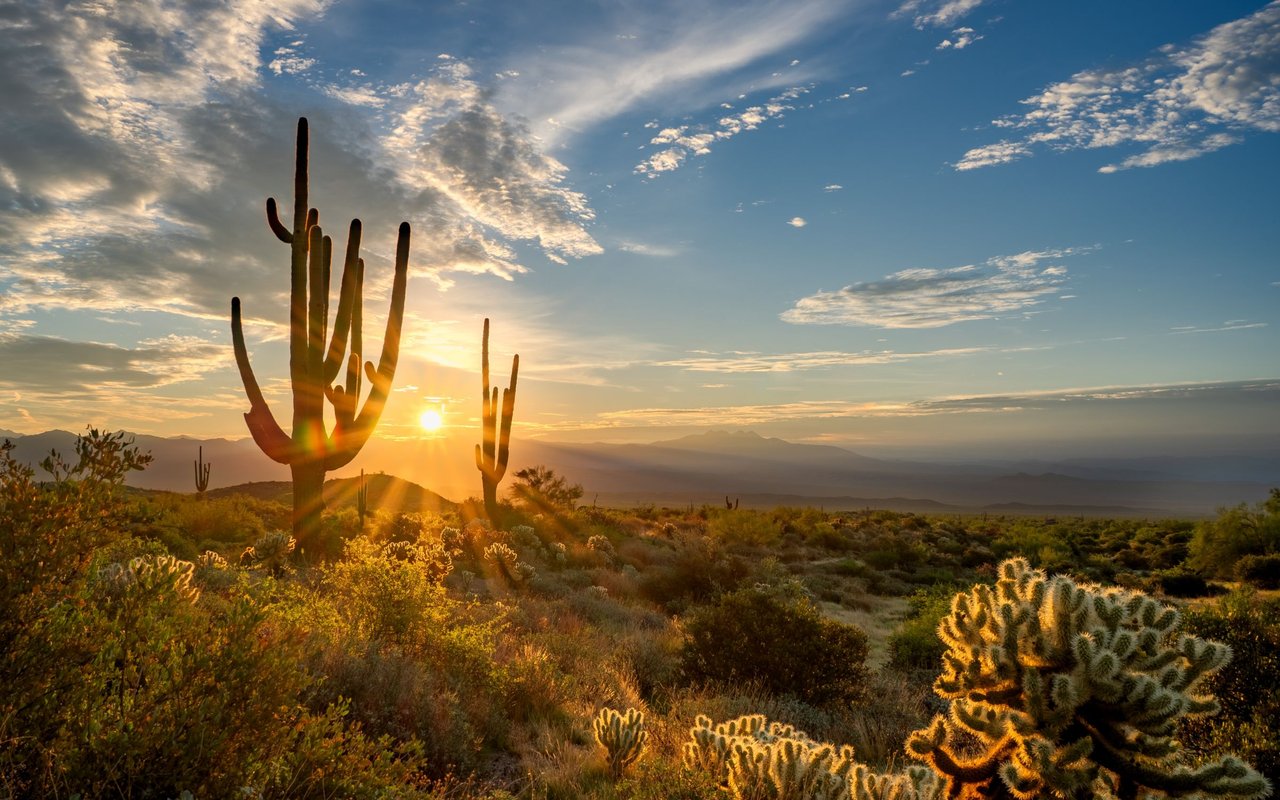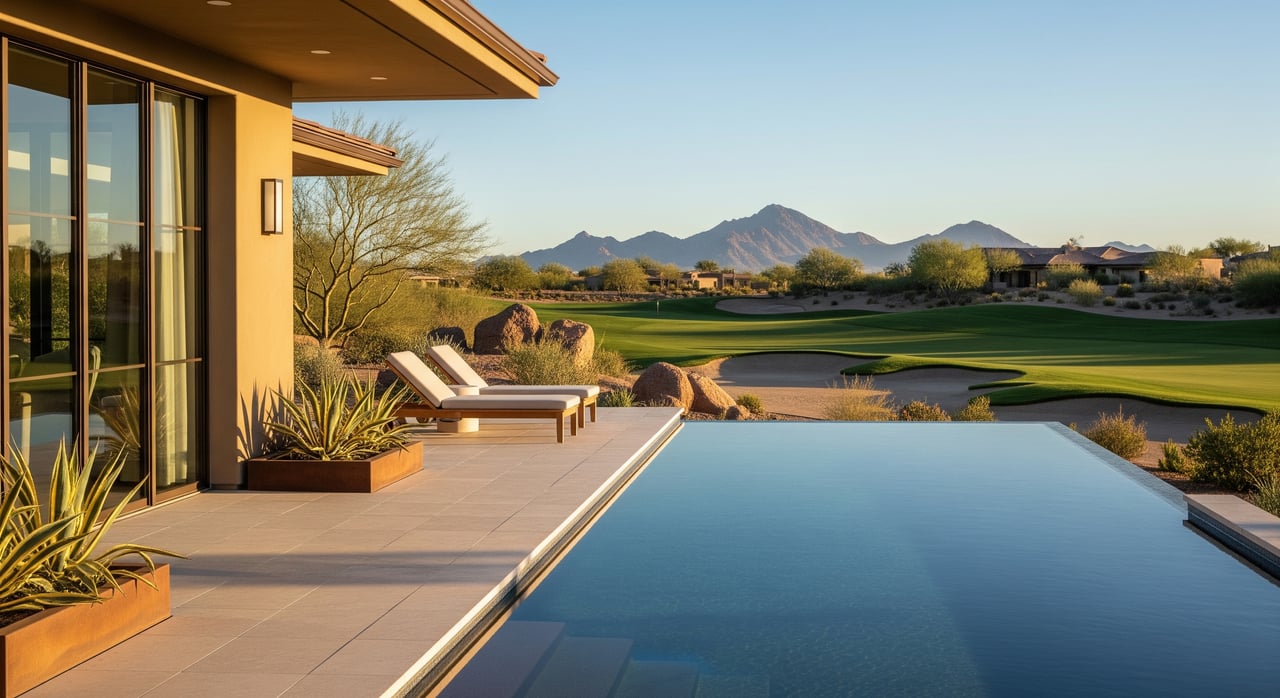
Imagine stepping onto your patio at sunrise, watching the fairway come alive beneath Camelback and Mummy Mountain. If you’re drawn to the idea of privacy, views, and a refined club lifestyle, a Paradise Valley golf home might be your perfect fit. This guide gives you a clear look at daily life, club culture, property styles, ownership costs, and resale factors so you can decide with confidence. Let’s dive in.
Paradise Valley at a glance
Paradise Valley sits between Phoenix and Scottsdale and is known for low density, estate-size lots, and custom architecture. Many homes are on one acre or more, which helps preserve privacy and view corridors. You’ll see a mix of desert modern, Mediterranean, Southwestern, and mid‑century influences.
Compared with Scottsdale’s larger inventory of public and resort courses, Paradise Valley feels more private and estate‑oriented. If you choose a golf home here, you are prioritizing space, quiet streets, and mountain scenery while still enjoying access to nearby clubs.
Inventory is limited because the town is small and turnover is low. Prices sit firmly in the luxury and ultra‑luxury range, with true estates well into the seven‑figure band.
Golf clubs and local “club culture”
You’ll encounter three main types of clubs around Paradise Valley:
- Private member clubs that focus on full golf and social memberships.
- Resort or hotel‑affiliated clubs that offer golf, spa, and dining for members and resort guests.
- Semi‑private or daily‑fee courses in nearby Phoenix and Scottsdale.
For many residents, the club becomes a social anchor. Expect member events, couples’ nights, junior programs, holiday gatherings, and well‑run tournaments. Clubhouse dining often sets a high bar, which is a big draw when you want a relaxed but refined place to meet friends, host clients, or unwind after a round.
Costs vary widely. Initiation fees at top clubs can range from tens of thousands to well into the six figures. Annual dues and food‑and‑beverage minimums are common. Some memberships may be transferable with a home sale, while others are private contracts that do not convey. If membership matters to your purchase, plan for a detailed review of wait lists, transfer policies, and fee histories.
Home styles and fairway living features
Paradise Valley golf‑adjacent homes come in a wide range of custom styles. Many recent builds and remodels emphasize indoor–outdoor flow with large sliders, shaded patios, and seamless transitions to the pool and yard. On fairway‑facing lots, you might see:
- Estate‑scale setbacks and mature landscaping for privacy.
- Mixes of manicured turf near living areas with desert‑adapted plantings elsewhere.
- Outdoor kitchens, fireplaces or fire pits, spas, putting greens, and guest casitas.
Orientation matters. Lots aligned to morning light feel cooler during warm months, while sunset‑facing patios can be dramatic for evening entertaining. Mountain vistas along Camelback and Mummy Mountain often become core value drivers, right alongside fairway frontage.
Privacy, noise, and lighting
Most residents describe course‑adjacent noise as moderate and predictable. Early morning maintenance equipment and occasional tournament activity are part of the routine. Night play is uncommon at private and most resort courses, though some practice areas may have lighting.
Privacy depends on lot size, setbacks, and landscape buffers. Estate properties use distance, trees, and berms to control views. Homes that back directly to a fairway may see more walkers or players. A thoughtful landscape plan can strike a good balance between views and seclusion.
Water, landscaping, and maintenance
The desert climate rewards smart design. Homeowners typically use drip irrigation and water‑efficient plants for non‑turf areas, while reserving turf for activity zones. Many golf courses use reclaimed or effluent water for course turf, though practices vary by property.
Summer heat accelerates wear on irrigation, landscaping, and pool systems. Expect more frequent checks and servicing during the hottest months. Shaded structures, misters, and strategic plantings can improve comfort and reduce heat exposure around the pool and patio.
Daily rhythms and seasonality
Peak outdoor season runs from fall through spring when the weather is mild. Summer is very hot, often 100°F or more, so you’ll shift activities to early morning, twilight, or indoors.
A typical day might include a sunrise tee time, a stop at the fitness center or tennis courts, a casual lunch at the clubhouse, and a relaxed afternoon by the pool. Evenings can be social, with member events and dinners at the club. High‑end restaurants in nearby Scottsdale and the Camelback Corridor round out your options when you want to dine off‑property.
Ease is another advantage. Commutes to downtown Phoenix, Scottsdale’s shopping and dining districts, and the airport are generally 10 to 25 minutes depending on your destination. Many residents hire landscaping, pool care, housekeeping, and security, and some seasonal owners arrange local property management for peace of mind while away.
Health, trails, and family life
Beyond golf, you have quick access to tennis, fitness, spa services, and hiking near Camelback Mountain. Families in the area use a mix of local public and private schools in Phoenix and Scottsdale. Always confirm district boundaries and private school admissions timelines to plan ahead.
Monsoon season can bring strong thunderstorms and localized flooding in low‑lying areas. Quality properties address drainage with grading and hardscape design. HVAC capacity, shade, and smart home controls are important comfort features through the warm months.
What a golf home really costs
Ownership typically includes more than your mortgage and taxes. Key ongoing items to plan for:
- Club initiation fees, annual dues, and possible food‑and‑beverage minimums if you choose to join a club.
- HOA dues where applicable.
- Landscape and pool maintenance, irrigation repairs, and periodic system upgrades.
- Higher insurance costs for luxury homes and pools.
- Property management if you are a seasonal owner.
Arizona’s property‑tax system differs from other states. Review current rates and any applicable exemptions with local resources and your financial advisor so your tax planning is accurate.
Buying smart: due diligence checklist
A careful review protects your lifestyle and your investment. Use this quick list:
- Membership terms: Get current details on initiation fees, annual dues, wait lists, transfer rules, and guest policies if club access is part of your plan.
- Course plans: Ask about any course renovation or management changes that could alter fairway lines, views, or play patterns near your lot.
- Water and landscaping: Confirm irrigation methods, reclaimed water use on the course, and maintenance expectations for your yard.
- Easements and access: Verify cart‑path locations, course maintenance easements, and who maintains buffer landscaping.
- Noise and play: Visit during maintenance hours and busy tee times to gauge sound and player traffic.
- Drainage and grading: Ensure patios and hardscape drain away from the home and that landscape design handles monsoon storms.
- Rentals and rules: Check town ordinances and HOA covenants for short‑term rental policies, event rules, and signage restrictions.
Value drivers and resale factors
Fairway and view premiums are real, yet they are sensitive to a few variables:
- Course condition and reputation tend to support long‑term value.
- Redesigns or changes in course ownership can shift your view or play patterns.
- Mandatory or costly memberships can deter some buyers.
- Paradise Valley’s limited inventory often supports price stability in the luxury segment, though ultra‑luxury values still respond to broader economic cycles.
When you plan resale, lot orientation, protected view corridors, and a cohesive indoor–outdoor layout are prime selling points. Well‑executed outdoor living spaces and modernized systems resonate with today’s buyers.
Paradise Valley vs nearby Scottsdale
If you want a resort‑style, high‑activity golf scene with many public or semi‑private options, Scottsdale offers breadth and variety. Paradise Valley is different. It delivers privacy, estate lots, and a quieter day‑to‑day feel, with access to private and resort clubs nearby. Many Paradise Valley owners maintain memberships across multiple clubs in town and in Scottsdale, tailoring play and social life to the season and their schedules.
Is a Paradise Valley golf home right for you?
You might be a strong fit if you:
- Value privacy, views, and generous lot sizes over a planned golf community feel.
- Want a refined club lifestyle with curated social events and high‑quality dining.
- Prefer a central location with quick access to Scottsdale and Phoenix amenities.
- Plan to invest in outdoor living, shade, and systems that perform in the desert.
If you see yourself in these points, a tour of select fairway and view lots can clarify what matters most: orientation, privacy buffers, and how the club aligns with your daily routine.
Work with a team that knows golf
As a former professional golfer, Preston Matchett understands club culture, tee‑sheet realities, and what separates an average fairway lot from a great one. The Matchett Group pairs that insight with a boutique, white‑glove real estate practice and national‑level marketing distribution. If you are buying or selling a Paradise Valley golf home, you deserve a strategic, discreet process that maximizes your outcome.
Ready to explore the market or position your property for top results? Connect with The Matchett Group for a private consultation.
FAQs
What should I expect to pay for a Paradise Valley golf‑adjacent home?
- Prices are firmly in the luxury and ultra‑luxury range, with estate properties well into seven figures and limited inventory often supporting pricing strength.
Are club memberships required when buying a golf‑adjacent home in Paradise Valley?
- Some communities or lots may encourage or require membership, but many do not; always review HOA covenants and club policies before you buy.
How private are homes that back to a fairway in Paradise Valley?
- Privacy depends on lot size, setbacks, and landscaping; estate‑scale buffers help, while homes directly on fairways may see more walkers and player activity.
What ongoing costs come with a Paradise Valley golf lifestyle?
- Plan for potential initiation fees, annual dues, HOA fees, landscaping and pool care, irrigation repairs, insurance for luxury features, and management if seasonal.
How hot summers affect daily life in a Paradise Valley golf home?
- In summer you shift golf and outdoor time to early mornings and evenings, rely on shade and cooling features, and service landscape and pool systems more often.
What landscaping approach works best next to a fairway in the desert?
- Many owners use limited turf in activity zones and desert‑adapted plants with drip irrigation elsewhere to balance beauty, water use, and maintenance.
How does Paradise Valley’s golf lifestyle differ from Scottsdale’s?
- Scottsdale offers a broader range of public and semi‑private resort courses, while Paradise Valley focuses on privacy, estate lots, and access to nearby private and resort clubs.
What factors most influence resale value for golf‑adjacent homes in Paradise Valley?
- Protected views, course condition, lot orientation, indoor–outdoor design, and clear club policies on memberships and transfers all impact long‑term value.