Wondering why two luxury estates in Paradise Valley can look equally impressive online, yet feel completely different the moment you arrive? In this market, a showing is about much more than square footage and finishes. You need to understand how privacy, outdoor livability, and future flexibility work on the ground so you can tour with clarity and avoid costly surprises. Let’s dive in.
Why Paradise Valley Tours Require Strategy
Paradise Valley is shaped by space, not density. According to the town’s 2022 General Plan, 65.6% of the planning area is low-density residential, with 11.4% dedicated to combined public and private open space. Most future change is expected to happen through infill or redevelopment rather than major expansion.
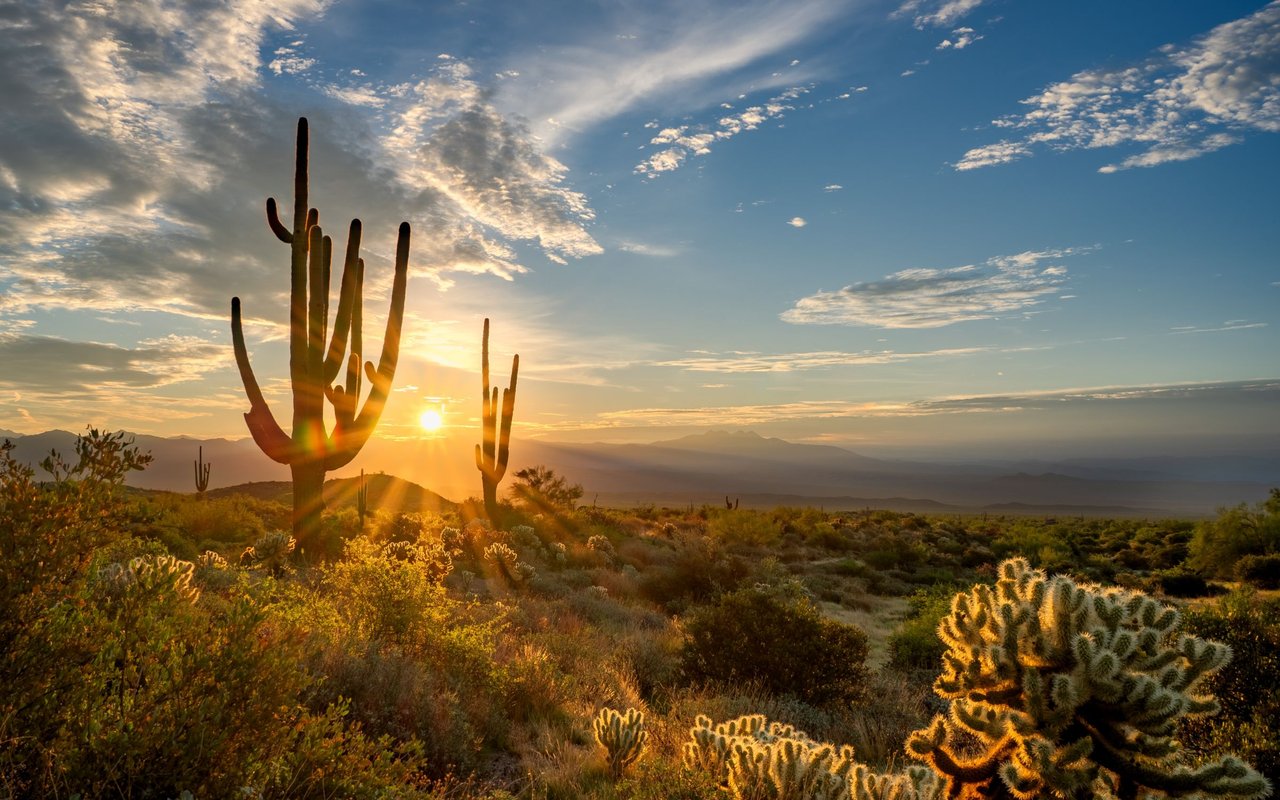
That matters when you tour luxury estates. In Paradise Valley, the lot, the outdoor setting, and the surrounding streetscape are often just as important as the home itself. One-acre single-family lots, visual openness, native desert landscaping, and carefully considered walls and fences all shape how a property feels in real life.
Know Your Goals Before You Tour
Before you schedule showings, it helps to define what you actually want the property to do for you. Are you looking for a primary residence, a lock-and-leave second home, a newer turnkey estate, or a property with renovation potential? Those answers should guide which homes make your list.
In Paradise Valley, your privacy threshold also matters. Some buyers want a home that feels fully tucked away, while others prioritize views, openness, or architectural drama. A strong tour plan should reflect whether you value seclusion, entertaining, future customization, or a balance of all three.
If renovation is part of the plan, do that homework early. The town’s Hillside Building Committee reviews many exterior and construction-related changes on hillside-designated properties, including new homes, remodels, additions, pools, solar panels, and accessory structures.
Check Hillside and Permit Issues Early
A beautiful estate can come with meaningful review requirements, especially if it sits on a hillside-designated parcel. Paradise Valley provides an interactive hillside map and review information, which can help you confirm whether a property may face added review before you even tour.
That step is especially important if you are considering changes after closing. The town notes that hillside-designated projects often require extra submittals, and the review guide indicates that even updates such as roof material changes, repainting, replacement of tiles, windows, lights, and some landscape work may require review.
The town’s permit portal and permit information pages are also worth checking if the property has walls, pools, spas, or other exterior features you may want to modify. For buyers comparing multiple homes, future-change flexibility can become a deciding factor.
What Privacy Really Looks Like
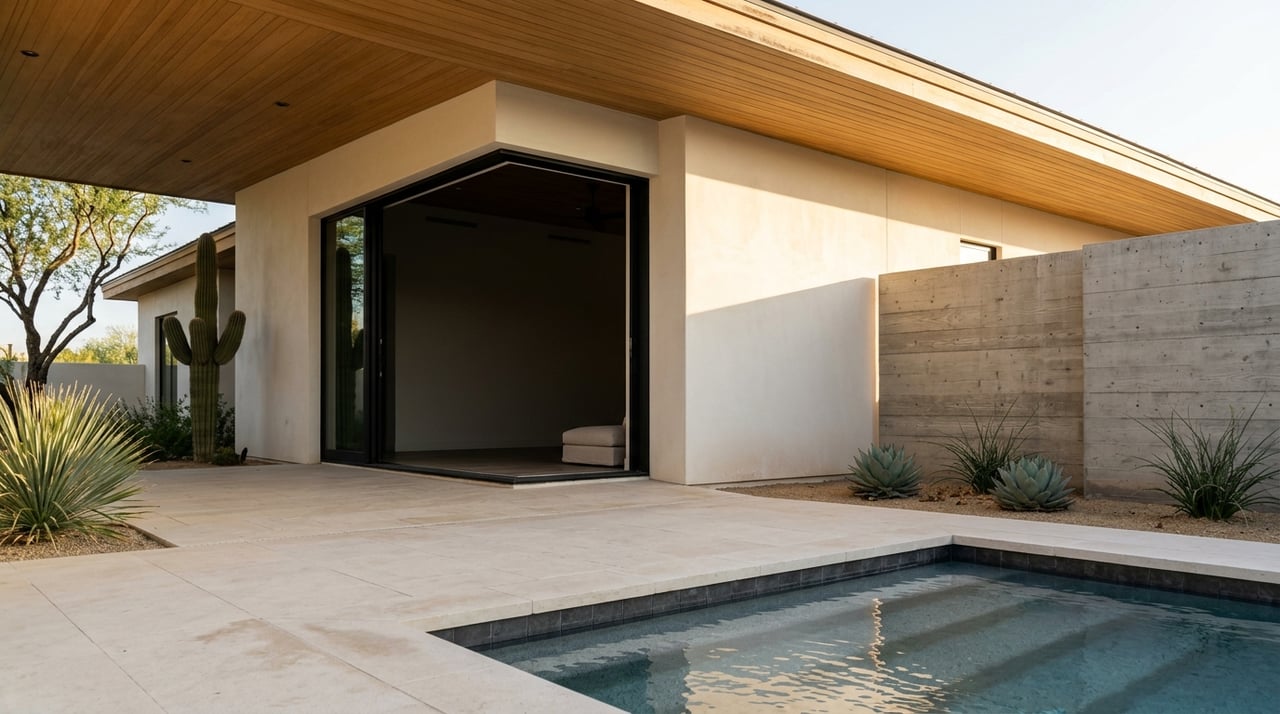
Privacy in Paradise Valley is not always about building the tallest wall. The General Plan encourages visually open streetscapes and attractive wall and fence materials such as stone, masonry, wrought iron, and vegetation, along with meandering or see-through design approaches.
That means true seclusion often comes from a layered combination of orientation, landscaping, setback, and design. During a tour, you should test sight lines from the street, adjacent lots, patios, upper-level windows, and pool areas. A home can feel private at the gate but exposed in the backyard, or the opposite.
This is one reason in-person touring matters so much here. Online photos rarely show how the home sits on the lot or how neighboring structures affect real-world privacy.
Evaluate Outdoor Living for Desert Reality
Outdoor living is a major part of the Paradise Valley lifestyle, but it needs to work in actual desert conditions. The town’s climate page reports 294 sunny days per year, an average July high of 104 F, an average January low of 35.9 F, and 7.3 inches of annual rainfall.
Those numbers should shape how you tour. Instead of just admiring the pool and patio, ask how the outdoor areas perform in peak afternoon sun, after a storm, or during cooler winter mornings. Shade, orientation, overhangs, irrigation, drainage, and pool placement all affect whether the space is truly usable.
The General Plan also encourages energy and water conservation through building orientation and drought-tolerant native landscaping. If outdoor living is a priority, pay attention to whether the landscaping feels beautiful and practical for low-water desert conditions.
Look Beyond the Property Line
In Paradise Valley, the immediate surroundings can significantly affect how an estate lives day to day. The General Plan explains that resort, country club, and other non-residential uses are concentrated on the edges of town and along selected corridors, with an emphasis on compatibility with surrounding residences.
That makes context important during your showing. If privacy and quiet are high priorities, it is smart to assess nearby traffic flow, delivery access, and whether the home sits near resort-oriented activity or a more purely residential setting.
This does not mean one location type is better than another. It simply means the best fit depends on how you live, entertain, and use the property.
Ask Smart Security Questions
Discretion matters to many Paradise Valley buyers, and security is often part of that conversation. The town’s short-term rental guidance emphasizes protecting quiet enjoyment and reducing impacts on neighbors, while the Police Department’s Community Resource Officer offers home security reviews and crime-prevention support.
When you tour, ask practical questions about gate operation, lighting, camera placement, and how the site design supports privacy. A well-designed estate often blends security features into the architecture and landscaping rather than making them feel overly intrusive.
For many luxury buyers, the goal is not just protection. It is a property that feels calm, controlled, and easy to manage.
Touring Homes Under Construction or Renovation
If you are considering a remodel candidate or an estate that is already under construction, pay close attention to site management. The General Plan states that construction should minimize visual, traffic, parking, dust, noise, and odor impacts on surrounding residences.
That means a productive showing should include more than finish selections and architectural plans. You should also look at access, staging, neighboring impact, and realistic timelines for completion or future work.
For developers, investors, or buyers planning a custom update, this kind of due diligence can save time and reduce friction later in the process.
A Simple Paradise Valley Tour Checklist
A well-planned showing schedule tends to be more useful than a generic open-house approach. Paradise Valley’s mix of low-density land use, desert climate, and town review standards makes advance planning especially valuable.
Before the Tour
- Align on your non-negotiables
- Decide how important privacy, views, and renovation potential are to you
- Confirm hillside status through the town’s mapping resources
- Ask about permit history and known exterior modifications
- If applicable, review whether future changes may need town approval
During the Tour
- Test gate operation and approach sequence
- Check sight lines from the street and neighboring lots
- Evaluate shade, sun exposure, and patio orientation
- Look at pool placement, drainage, and usable outdoor space
- Note guest parking, service access, and circulation
- If possible, revisit at a different time of day
After the Tour
- Compare homes by privacy, livability, and flexibility, not just finishes
- Verify permits for walls, pools, and landscape features
- Consider whether a home security review would be helpful
- Narrow your list based on how each property truly lives
Why a Curated Tour Matters
Luxury touring in Paradise Valley works best when the process is tailored. Market snapshots from Redfin show a February 2026 median sale price of $6.2M and 38 median days on market, while the research report also notes different pricing figures from other platforms because they measure different things.
The takeaway is simple: this is a high-value market where details matter. Touring with a clear plan helps you spend time on the right homes, ask better questions, and evaluate each property on the factors that really drive long-term satisfaction.
If you are preparing to tour luxury estates in Paradise Valley, a thoughtful, confidential approach can make the experience far more efficient. The Matchett Group brings local market perspective, measured guidance, and high-touch service to help you evaluate each opportunity with confidence.
FAQs
What should you check before touring a luxury estate in Paradise Valley?
- You should confirm your goals, privacy needs, renovation interest, hillside status, permit history, and whether future exterior changes may require town review.
Why does hillside status matter for Paradise Valley homes?
- Hillside-designated properties may face added review for new construction, remodels, pools, solar panels, landscaping changes, and other exterior work.
How do you evaluate privacy at a Paradise Valley estate?
- You should look at sight lines, orientation, landscaping, setbacks, upper-level views, and how the outdoor areas feel from both inside and outside the property.
What makes outdoor living different in Paradise Valley?
- The desert climate makes shade, patio orientation, pool placement, drainage, irrigation, and low-water landscaping especially important for everyday usability.
Why revisit a Paradise Valley property at a different time of day?
- A second visit can reveal how sun exposure, noise, traffic, and privacy change between morning, afternoon, and evening.