What makes a luxury home in Paradise Valley feel timeless in one setting and strikingly modern in another? In this market, the answer is rarely just the style on paper. You are not only choosing between classic ranch lines or contemporary glass walls. You are also choosing how a home fits its lot, frames mountain views, and supports daily indoor-outdoor living. That is what makes Paradise Valley architecture so distinct. Let’s dive in.
Why Paradise Valley Architecture Feels Different
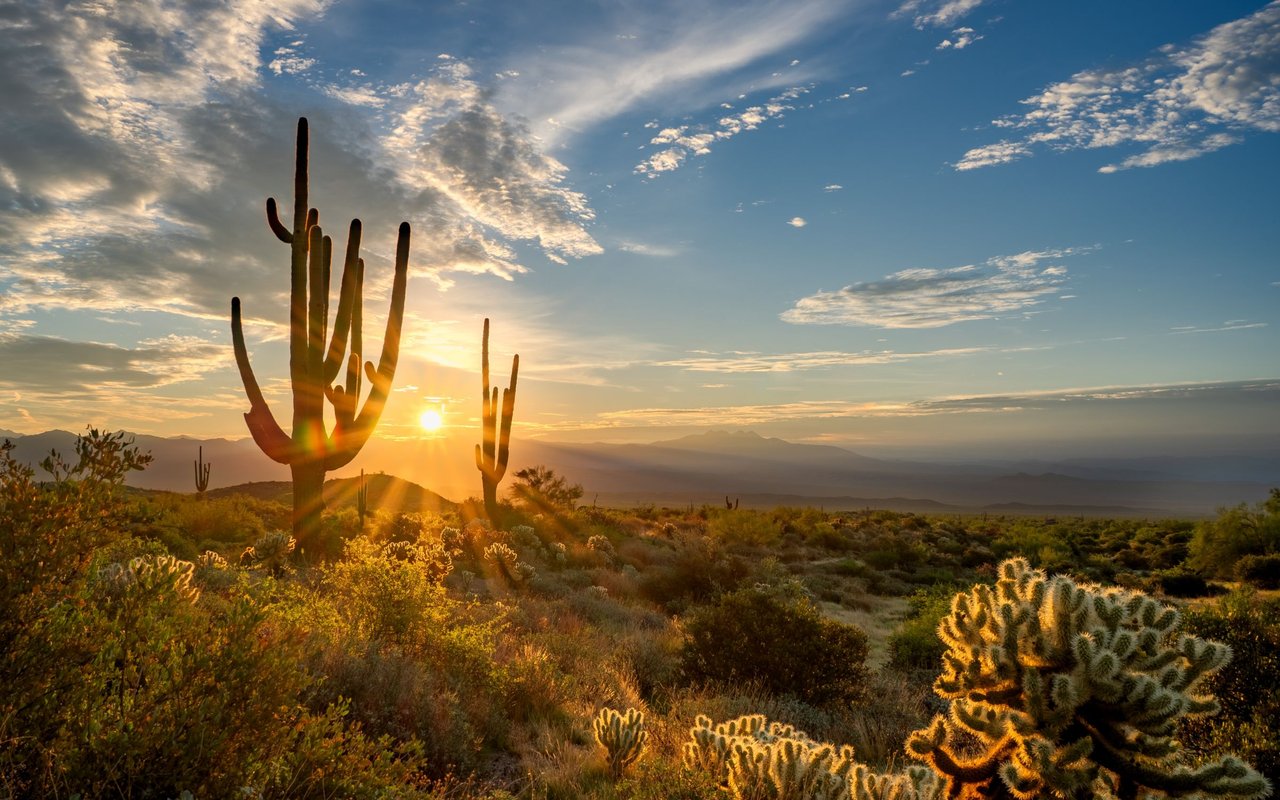
Paradise Valley is shaped by estate-sized lots, mountain preserves, and a planning approach that protects open space, views, and low-density residential character. The town’s general plan describes community character as the relationship between buildings, landscape, and the natural setting around Camelback Mountain, Mummy Mountain, and the Phoenix Mountain Preserve.
That planning framework has a real effect on the homes you see. Houses here often sit low on the land, use materials and colors that blend with the desert, and place strong emphasis on privacy, views, and outdoor living. In other words, architecture in Paradise Valley tends to feel intentional rather than flashy.
How the Site Shapes the Home
In Paradise Valley, lot type matters as much as architectural style. A home on a broad flat parcel often lives very differently from a home on a hillside site. If you are searching here, it helps to look beyond labels like ranch, transitional, or contemporary and focus on how the property actually works.
The town’s hillside review process looks closely at land disturbance, height, lighting, building materials, grading, and drainage. The review guide also limits things like paint colors, roof colors, retaining walls, outdoor lighting, and desert landscaping. That is one reason many hillside homes feel carefully tucked into the terrain rather than imposed on it.
Flat Lots and Broad Layouts
Flat lots often support wide, single-level plans with long sightlines across the home and backyard. These properties are a natural fit for ranch-style layouts, courtyard plans, and large entertaining spaces that spread horizontally.
For many buyers, that creates an easy rhythm for daily living. You may find direct access to patios from main living spaces, strong separation between guest areas and primary suites, and resort-style backyards designed for year-round use.
Hillside Lots and View-Driven Design
Hillside parcels usually call for a different architectural response. Because hillside land includes natural terrain with slopes of 10% or greater, homes on these sites often use stepped massing, split-level layouts, and view-oriented room placement.
That is why contemporary and mid-century influenced homes often feel especially natural on hillside properties. Their low profiles, large glass openings, and geometric forms can work well when the goal is to capture mountain or city-light views without overwhelming the landscape.
Why Outdoor Living Is Central
Paradise Valley’s climate helps explain many of its architectural choices. Phoenix Sky Harbor’s 1991 to 2020 normals show a mean annual temperature of 75.6 degrees, annual precipitation of 7.67 inches, and 111.3 days per year with highs of 100 degrees or more.
In practical terms, that climate makes shade, airflow, and indoor-outdoor circulation essential. Covered terraces, overhangs, courtyards, pools, and shaded patios are not just luxury extras here. They are part of how a home functions well.
The town’s emphasis on preserving washes, view corridors, and mountain scenery also shapes daily use. Instead of relying on conventional parks, Paradise Valley has long leaned on private lots, resorts, and existing public facilities. That helps explain why outdoor kitchens, guest casitas, long sightlines, and expansive backyard gathering areas are so common in the local luxury market.
Classic Styles That Still Define Paradise Valley
Paradise Valley luxury architecture spans a wide range, but several style families stand out. Even when homes are renovated or rebuilt, they often retain features that reflect the land, climate, and the town’s preference for low-profile design.
Desert Ranch Style
Desert ranch and California ranch homes remain an important part of the area’s architectural mix. These homes usually feature single-level or low-slung forms, horizontal massing, and strong connections to patios or backyard entertaining spaces.
On larger custom lots, the ranch vocabulary can expand into sprawling wings or a more rambling footprint while still keeping a simple, grounded look. If you want ease of movement, broad floor plans, and a quieter street presence, this style often delivers.
Mid-Century Modern Homes
Mid-century modern homes bring clean geometry, low profiles, and generous use of glass. In Paradise Valley, this style often appears on large lots and hillside sites where the design can open toward a pool, mountain backdrop, or city-light view.
What many buyers appreciate most is the connection between interior and exterior space. Main living areas often feel like they flow directly outside, which aligns well with the local climate and lifestyle.
Spanish, Territorial, and Mediterranean Influences
Classic regional influences still have a meaningful place in Paradise Valley. Spanish, Territorial, and Mediterranean-inspired estates continue to appear across the market, especially in remodeled homes and some gated settings.
These homes may present a more formal look from the street, with stucco finishes, courtyards, or traditional rooflines. Inside, though, many have been updated with more open floor plans, brighter finishes, and stronger links to outdoor rooms and resort-style backyards.
Contemporary Homes in Paradise Valley
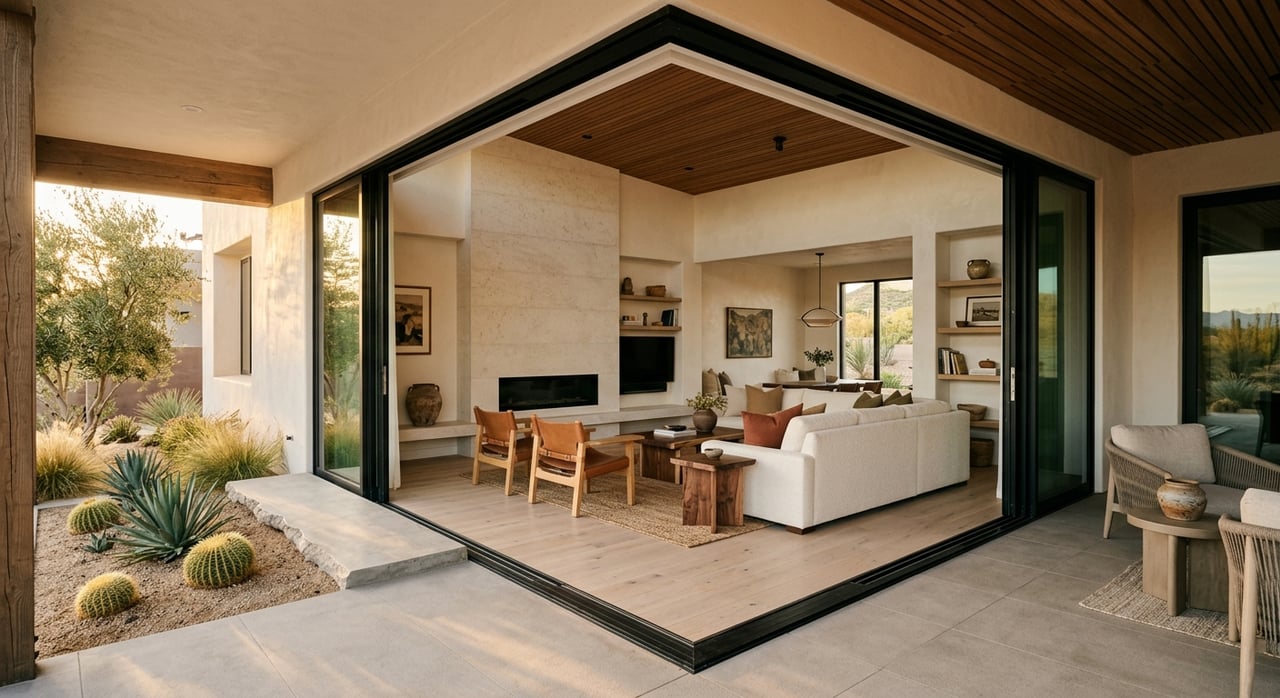
Contemporary and desert contemporary architecture has become especially prominent in the luxury market. These homes often use flat or shallow-pitched rooflines, strong geometric forms, and large expanses of glazing.
To keep the design grounded in the setting, contemporary homes often incorporate natural materials like stone and wood. Deep overhangs, shaded courtyards, and carefully placed openings help soften the look while also improving comfort in the desert climate.
Many current market examples are described as warm contemporary, desert modern, or simply contemporary. While the labels vary, the common thread is clear: clean lines, seamless indoor-outdoor living, and a design that prioritizes views, light, and privacy.
Transitional Design Bridges Old and New
For many buyers, transitional architecture offers the best of both worlds. In Paradise Valley, that often means a home that keeps a classic exterior presence while simplifying the details inside and opening the floor plan.
You may see a remodeled estate that preserves Spanish or Territorial character but adds modern livability through updated finishes, expanded kitchen and family spaces, and larger openings to the backyard. This approach appeals to buyers who want a home that feels current without losing warmth or regional identity.
What Buyers Should Look For Beyond Style
When you tour luxury homes in Paradise Valley, style matters, but function matters more. The most useful question is often not whether a home is classic or contemporary. It is whether the architecture responds well to the lot, climate, and the way you want to live.
A few details can tell you a lot:
- How the home is positioned for views and privacy
- Whether outdoor spaces are shaded and usable
- How easily main rooms connect to terraces or the pool
- Whether the massing feels appropriate for the site
- How landscaping supports the home’s desert setting
- Whether the design feels low-profile and integrated with the land
These factors are often what separate a home that merely looks impressive from one that lives exceptionally well.
The Common Thread Across Styles
From classic ranch homes to glass-forward contemporary estates, Paradise Valley architecture shares a consistent theme. The best homes are low and quiet in their setting, connected to the landscape, and designed to make outdoor living feel like an extension of the interior.
That is why the shift from classic to contemporary in Paradise Valley does not feel like a break from the past. It feels more like an evolution. The materials, lines, and layouts may change, but the core idea remains the same: architecture here works best when it respects the land and enhances the way you live on it.
If you are evaluating luxury homes in Paradise Valley, a strategic, property-by-property approach can help you separate surface-level style from real long-term fit. For tailored guidance on Paradise Valley estates, hillside properties, and design-driven homes, connect with The Matchett Group.
FAQs
What architectural styles are common in Paradise Valley luxury homes?
- Paradise Valley luxury homes commonly include desert ranch, mid-century modern, contemporary, transitional, and classic regional styles such as Spanish, Territorial, and Mediterranean-inspired designs.
Why do many Paradise Valley homes have low-profile designs?
- Paradise Valley’s planning framework, hillside review standards, and focus on preserving views, dark skies, and low-density residential character encourage homes that sit low on the land and blend with the desert setting.
How do hillside lots affect home design in Paradise Valley?
- Hillside lots often lead to view-driven architecture, stepped massing, split-level layouts, and careful site integration because the town closely reviews grading, height, materials, lighting, and drainage in hillside areas.
Why is indoor-outdoor living so important in Paradise Valley homes?
- The local climate includes a high annual temperature average, low rainfall, and more than 100 days each year with highs of 100 degrees or more, so shaded patios, pools, courtyards, and covered terraces play a major role in daily comfort and use.
What should buyers focus on when comparing Paradise Valley luxury architecture?
- Buyers should look at how the home responds to its lot, captures views, creates privacy, connects indoor and outdoor spaces, and supports comfortable desert living, rather than focusing only on the style label.