Wondering if a second home in Scottsdale will truly fit your lifestyle, or create more moving parts than you want? That is a fair question, especially if you plan to split time between cities, travel often, or keep the property available for guests or occasional rental use. The good news is that Scottsdale can work very well as a seasonal home base when you plan around climate, upkeep, location, and use rules before you buy. Let’s dive in.
Why planning matters first
A Scottsdale second home is not just a purchase decision. It is also a usage decision that affects how you budget, where you buy, how you maintain the property, and whether you can rent it out later.
That matters because your ideal setup may look very different depending on how often you plan to be in town. A lock-and-leave condo near Old Town, a golf-oriented home in North Scottsdale, and a quieter residential property with easy access across the city can all serve different goals.
Scottsdale climate and seasonal use
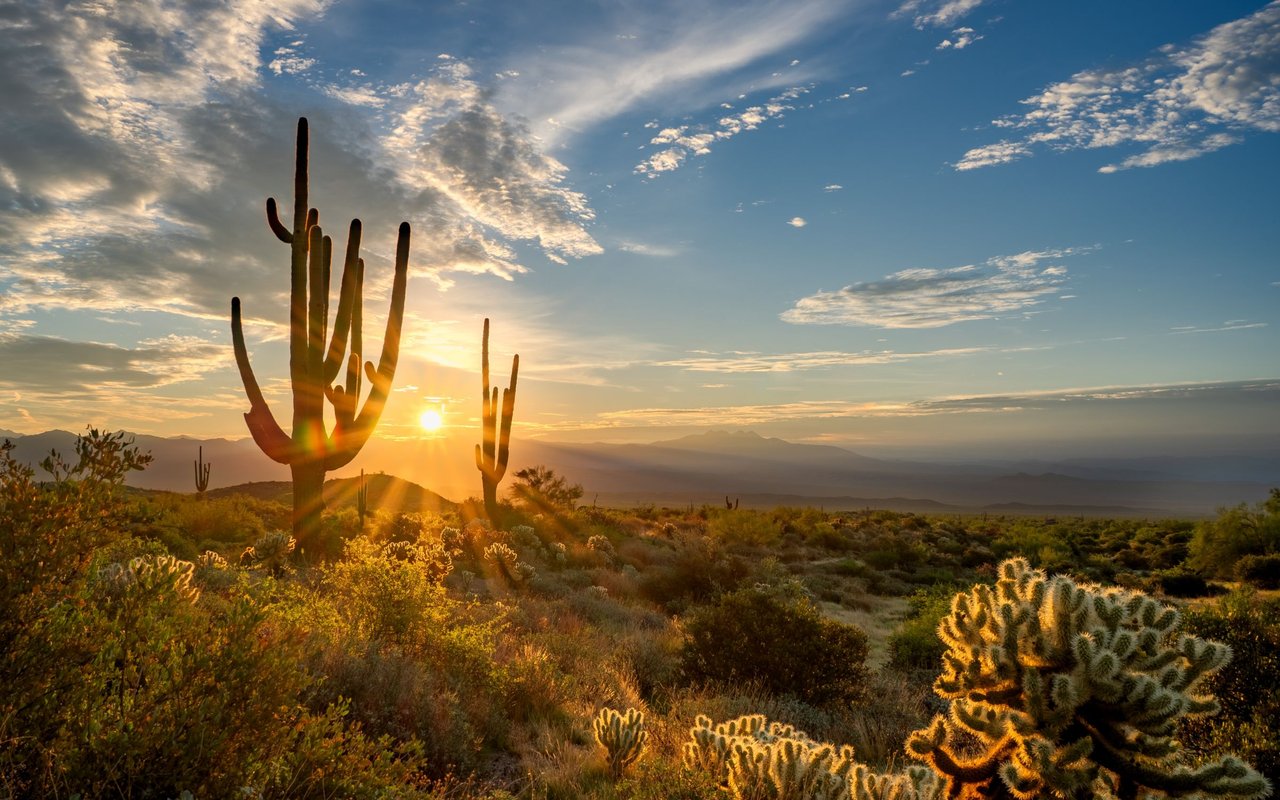
Scottsdale’s desert climate shapes how many owners use a second home throughout the year. According to NOAA climate normals from the National Weather Service, Scottsdale has an average annual temperature of 73.3°F and average annual rainfall of 8.73 inches.
In practical terms, many second-home owners find the cooler months and shoulder seasons more comfortable for longer stays. Summer use can still work well, but it usually calls for stronger HVAC performance, shaded outdoor living areas, and a clear plan for heat and storm readiness.
Arizona’s monsoon season runs from June 15 through September 30. The National Weather Service monsoon safety guidance notes risks such as thunderstorms, lightning, flash flooding, dust storms, and extreme heat, along with the possibility that power, gas, and water service can be interrupted during storms.
If you will be away for long stretches, those conditions make vacancy planning especially important. You will want to think through irrigation settings, system checks, and whether you have a reliable local contact who can respond if something comes up while you are out of town.
Choose location by lifestyle
One of the biggest second-home decisions is where in Scottsdale your day-to-day experience will feel most natural. Rather than starting with price alone, it helps to start with how you want to spend your time when you are here.
North Scottsdale for golf access
If golf is central to your Scottsdale routine, North Scottsdale is often the first area buyers consider. Experience Scottsdale’s golf overview highlights well-known destinations such as TPC Scottsdale, Troon North, Grayhawk, The Boulders, and Camelback Golf Club.
That kind of amenity map can be useful if you want a home base near courses you plan to use regularly. It can also help you narrow whether you want a property that prioritizes club access, broader desert views, or a more residential setting with convenient drive times.
Old Town for walkability and dining
If your ideal second home is more about being close to restaurants, shopping, and entertainment, Old Town Scottsdale may be a better fit. The same Experience Scottsdale fact sheet highlights Old Town and nearby amenities including Scottsdale Fashion Square, wine tasting rooms, breweries, coffee houses, art museums, ArtWalk, and the Entertainment District.
For some buyers, that convenience matters more than larger lot sizes or golf proximity. A more walkable setup can make shorter stays feel easier and more spontaneous, especially if you want to arrive for a long weekend and have plenty to do nearby.
Residential areas for balance
Some second-home buyers want a quieter residential feel while still staying within reasonable reach of golf, dining, and daily needs. In that case, the best fit is often a property that balances access rather than maximizing just one feature.
This is where local market guidance becomes valuable. A home that looks perfect online may feel less practical if your real routine includes airport trips, dinner reservations, golf tee times, and weeks away from the property between visits.
Plan for lock-and-leave ownership
A second home should feel easy to own, not like another full-time responsibility. In Scottsdale, that usually means looking closely at systems, exterior upkeep, and how much monitoring the home will require when vacant.
Water and irrigation tools
Scottsdale offers several homeowner resources that support efficient water use. The city’s water conservation page includes WaterSmart tools to help customers view and manage water use, along with leak assistance, mini-irrigation checks, smart irrigation controller guidance, pool and landscape efficiency resources, and xeriscape or Arizona-friendly planting guidance.
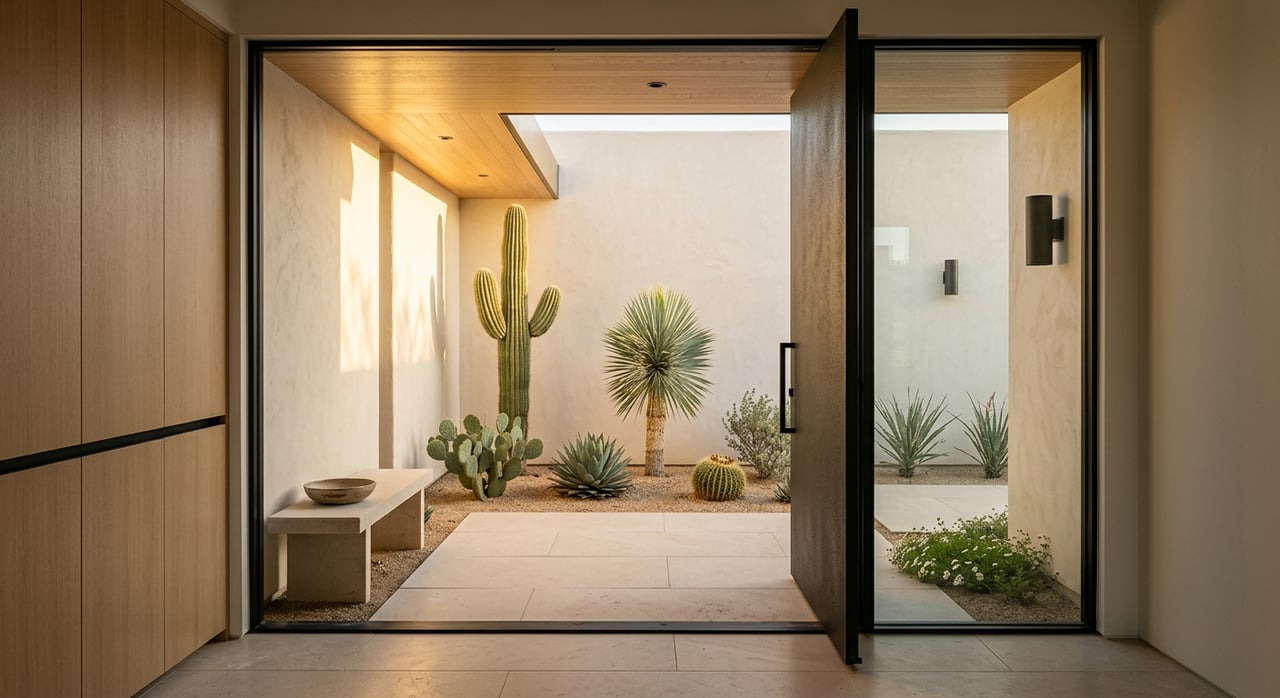
For a second home, those resources point toward practical features like low-water landscaping, efficient irrigation, and exterior systems that are easier to monitor between visits. In a desert setting, that kind of simplicity can help reduce surprises.
Ongoing maintenance costs
Your monthly and annual carrying costs should go beyond the mortgage payment. A realistic second-home budget often includes:
- Property taxes
- HOA dues, if applicable
- Water and landscape costs
- HVAC service
- Pest control
- Pool service
- Periodic home-watch or property-management support
Even if the property is not occupied year-round, those costs do not disappear. Building them into your purchase decision early can help you choose a home that fits both your lifestyle and your long-term comfort level.
Property tax timing
If you are buying in Maricopa County, tax timing matters. According to the Maricopa County Treasurer’s Office, property taxes are billed in two installments, with the first half due October 1 and delinquent after November 1, and the second half due March 1 and delinquent after May 1.
The Treasurer’s Office also states that delinquent property tax interest is 16% simple per year, accruing monthly. For seasonal owners, that makes calendar reminders and payment planning especially important.
Decide on rental use before closing
Many buyers like the idea of keeping rental flexibility open, even if they are not sure they will use it right away. In Scottsdale, that decision should be clarified early because rental plans can affect compliance steps, insurance, and even the type of property you choose.
Short-term rental rules in Scottsdale
If you plan to rent the home for stays under 30 days, Scottsdale requires an annual city license for each property. The city states that the home must also have a valid Arizona TPT license, neighbor notification, proof of at least $500,000 in liability coverage, Maricopa County registration before occupancy, and compliance with local occupancy and nuisance rules. The city also states that the annual license fee is $250 per property, as outlined on Scottsdale’s vacation and short-term rental page.
That does not mean short-term rental use is impossible. It does mean the process is more structured than many buyers expect, so it is best to evaluate those requirements before you commit to a specific home.
HOA restrictions can be decisive
City rules are only one part of the picture. Scottsdale also notes that HOA or private deed restrictions can regulate or prohibit short-term rentals even where city rules allow them.
For second-home buyers, HOA review is a key part of due diligence. If rental flexibility matters to you, even occasionally, you will want to confirm those rules in writing rather than assume the property can be used that way later.
Understand primary vs. secondary residence status
Another important planning point is whether the home will ever be treated as your primary residence. According to the Maricopa County Assessor FAQ, a primary residence is the owner’s one and only main home, where the owner or a qualified family member lives more than seven months a year.
The same guidance states that a property used as a vacation home cannot qualify as a primary residence. It also notes that a secondary home can be classified as a non-primary residence, and that out-of-state residential rental owners must designate an Arizona statutory agent.
This is one reason second-home planning should happen before closing, not after. Personal use, rental use, and primary-residence status can each lead to different compliance and tax outcomes.
What a smart second-home search looks like
When you buy a second home in Scottsdale, the strongest decisions usually come from matching the property to your real use pattern. That includes how often you will be in town, whether you want walkability or golf access, how much maintenance you are comfortable managing, and whether rental use is part of the plan.
A disciplined search can help you avoid buying a home that looks great on paper but feels inconvenient in practice. It can also help you focus on the ownership details that matter most for seasonal living, especially if privacy, simplicity, and long-term flexibility are high priorities.
If you are considering a second home in Scottsdale and want a strategy that aligns with how you actually plan to use it, The Matchett Group can help you evaluate neighborhoods, ownership considerations, and property options with a clear, high-touch approach.
FAQs
Can you use a Scottsdale home only part of the year?
- Yes. A Scottsdale second home can be used seasonally, but whether it is considered a primary residence depends on whether you or a qualified family member live there more than seven months a year, according to the Maricopa County Assessor.
What should you budget for a Scottsdale second home?
- In addition to the purchase price, you should usually plan for property taxes, HOA dues if applicable, water and landscape costs, HVAC service, pest control, pool service, and possible home-watch or property-management support.
Can you short-term rent a second home in Scottsdale?
- Yes, potentially, but rentals under 30 days require compliance with Scottsdale’s licensing, tax, insurance, registration, occupancy, and nuisance rules, and HOA restrictions may also apply, according to the City of Scottsdale.
When are Maricopa County property taxes due on a second home?
- The first half is due October 1 and delinquent after November 1, and the second half is due March 1 and delinquent after May 1, according to the Maricopa County Treasurer’s Office.
What features help with Scottsdale lock-and-leave ownership?
- Features that often help include efficient HVAC, shaded outdoor areas, low-water landscaping, simple irrigation systems, and tools that make water use easier to monitor between visits, including resources available through Scottsdale’s water conservation programs.